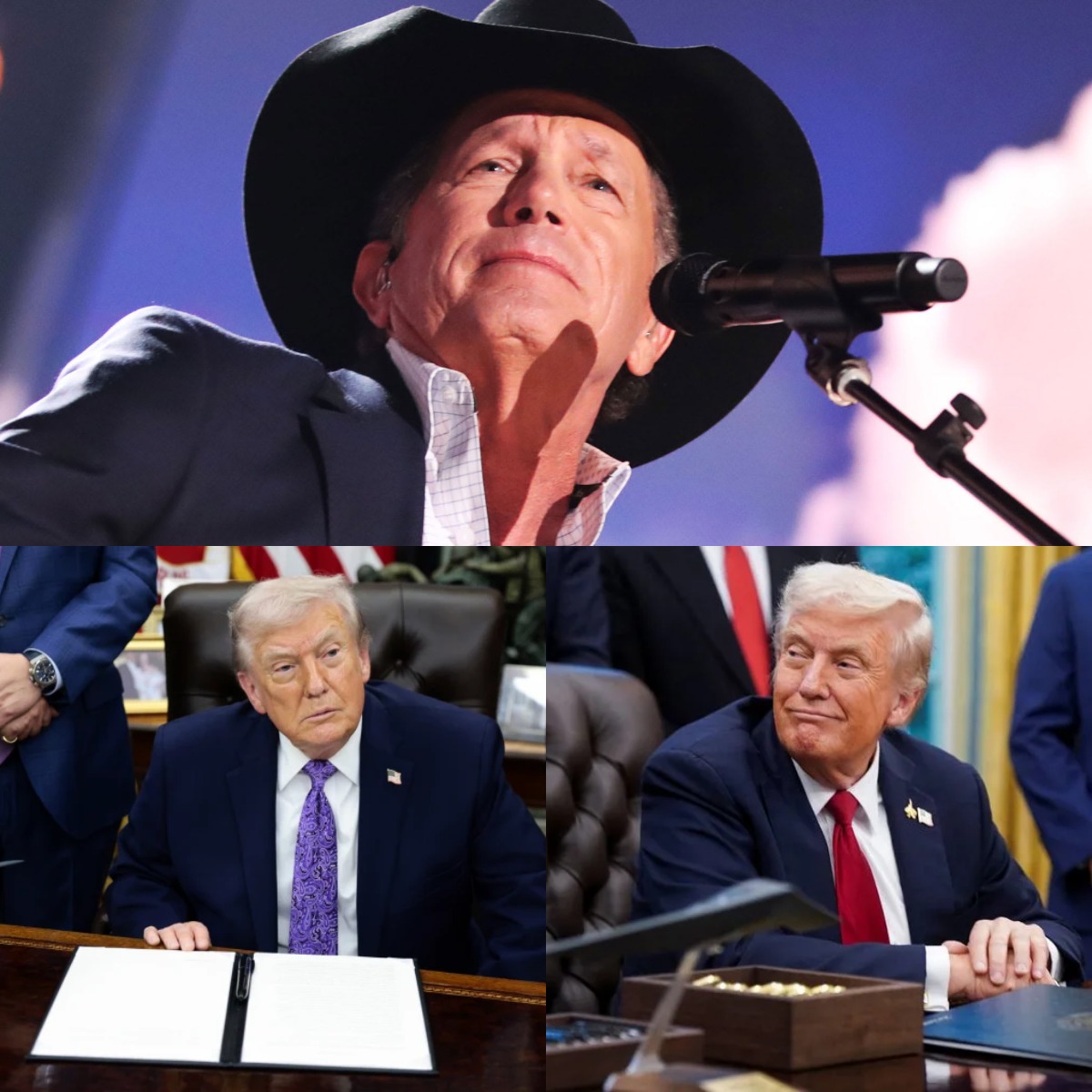
A wave of “BREAKING” headlines has surged across social media claiming that newly surfaced “smoking gun” photos tie Donald Trump to Jeffrey Epstein in a way that could “end everything overnight.”

The posts are written like an emergency siren: all caps, dramatic pauses, and sweeping claims of panic inside the Republican Party, private fury inside the White House, and stunned law-enforcement reactions as the images allegedly “hit the wires.”
But when you strip away the adrenaline, a more complicated—and far more important—question rises to the surface: what, exactly, has been released, and what can actually be verified right now?
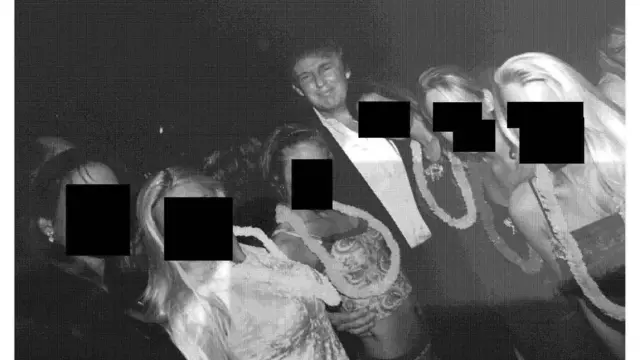
In the material spreading fastest, the photos are typically shown as cropped screenshots, low-resolution reposts, or partial frames with no visible metadata, no reliable publication trail, and no clear documentation of where the images originated.
That gap matters because the phrase “never-before-seen” is not proof of novelty, and “crystal-clear” is not proof of authenticity, especially when the public is being asked to accept a narrative without the basic building blocks that credible outlets and investigators normally require.
In other words, the frenzy is moving faster than the facts, which is exactly how misinformation—and strategically framed political content—tends to win.

Even if the images are real, a photograph’s meaning is not automatic.
A photo can show two people in the same room, at the same event, or in the same social circle, without proving criminal conduct, knowledge of criminal conduct, or involvement in any specific wrongdoing.
That is not a defense of anyone’s character, and it does not dismiss the gravity of Epstein’s crimes.
It is simply how evidence works: proximity is not the same thing as participation, and a social image is not the same thing as a documented act.
What makes the current flare-up especially combustible is the way the captions are written to bridge that gap for the reader.
Words like “compromising,” “dark past,” and “threaten to end everything” invite the audience to imagine the worst while the posts often avoid stating specific, checkable allegations that would trigger a higher standard of proof.
It is a classic formula: imply maximum wrongdoing, supply minimal verifiable detail, and let outrage do the rest.
The “GOP panic” claim is another example of emotional certainty standing in for confirmation.
In real political crises, panic leaves fingerprints: emergency caucus meetings, coordinated talking points that suddenly shift, lawmakers calling for investigations on record, staff resignations, legal filings, or at least a clear pattern of named officials responding publicly.
What spreads online, by contrast, is usually “insiders say” and “sources claim,” without names, documents, or consistent reporting that would allow readers to distinguish genuine internal alarm from pure engagement bait.
The “Secret Service looked white as paper” line belongs to the same genre.
It is vivid, cinematic, and impossible for the public to verify, which is precisely why it’s effective: it gives the story a stamp of authority while remaining untethered to a source that can be held accountable.
None of this means the story is false.
It means the way it is being packaged is engineered for speed, not accuracy—and that is a dangerous environment for any subject involving real victims, real crimes, and real political power.
There is also a second danger that rarely gets discussed in the rush to share: sensational framing can distort the public’s understanding of what accountability looks like.
If people are told to expect an “overnight collapse,” they may ignore the slower, less glamorous work that actually matters—records, testimony, timelines, corroboration, and legal processes that don’t bend to viral momentum.

And if the images later turn out to be manipulated, miscaptioned, or recycled from previously known events, the blowback can be weaponized too, fueling cynicism and making audiences less responsive when legitimate reporting emerges.
So what would a responsible approach look like, right now, in the middle of the noise?
First, separate three different questions that the internet loves to blur into one: Is the image authentic? Is the context accurately described? Does it demonstrate wrongdoing beyond association?
Second, demand basics that are boring but essential. Where did the photos come from? Who published them first in a traceable way? Are there uncropped originals? Are there timestamps or event identifiers?
Can independent outlets confirm the same material? Third, treat captions as arguments—not facts. In viral posts, the caption is often the real product, and the image is simply the hook.
A caption can imply that someone is “caught,” “exposed,” or “finished” while the photo itself shows nothing more than attendance at a public gathering. And when the caption is doing most of the work, that is a signal to slow down.
Fourth, remember the human cost. Epstein’s crimes were not a political prop; they were acts of abuse that ruined lives. Turning any Epstein-adjacent content into a partisan jump scare risks flattening the story into a scoreboard, where the point is not justice but humiliation of the other side.
That dynamic can drown out victims, distort priorities, and reward the loudest voices rather than the most careful ones.
At the same time, public figures do not get a free pass simply because online discourse is messy. If new material is authentic and relevant, it should be examined with rigor, not dismissed with reflex.
But rigor cuts both ways: it protects the public from false accusations, and it protects legitimate investigations from being derailed by sloppy speculation.
Right now, the most accurate way to describe what is happening is this: highly charged claims are circulating alongside images presented without sufficient public verification, and the commentary around them is being amplified far beyond what the available documentation can responsibly support.
That may change quickly if credible, independently confirmed sourcing emerges. Or it may collapse just as quickly if the images are shown to be old, misrepresented, or manipulated.
Either way, the responsible response is the same: refuse to let the loudest headline do your thinking. Because in political media storms, the first thing to vanish is nuance—and the second is the truth.


